
The Basics of Layering: Understanding the Concept
Layering in fashion transcends the mere utility of keeping warm; it embodies a creative expression that allows women to craft visually engaging outfits. The concept of layering hinges on the strategic combination of garments that play off one another in terms of balance and proportion. When embarking on layering, it is essential to consider different lengths, weights, and textures to produce a harmonious look.
Starting with the base layer is crucial, as it provides the foundation upon which other pieces will be built. The base layer should be a comfortable, skin-friendly fabric that fits well, ensuring that it remains unseen yet pivotal. For many, this could be a fitted turtleneck or a classic tank top. Subsequently, the intermediate layers should be introduced—these can vary in texture and size, such as a lightweight cardigan or a button-down shirt. This stage is crucial for adding depth; differing textures, like pairing a knitted sweater with a silky blouse, can create intrigue and sophistication.
Finally, completing the look with an outer layer, such as a coat or a stylish jacket, not only provides additional warmth but also serves to tie the overall look together. Color coordination plays a significant role at all stages of layering. Harmonizing or deliberately contrasting colors can elevate the appeal of your outfit. Ultimately, layering is not just about the practicalities of personal style but also about showcasing one’s individual taste. It encourages experimentation, thus urging one to embrace various combinations that reflect personal aesthetic while remaining comfortable and stylish.
Essential Pieces for Successful Layering
Layering is an art that relies heavily on choosing the right clothing pieces to create a cohesive and stylish look. At the foundation of effective layering, versatile staples such as tank tops and long-sleeve tees play a crucial role. These items serve as the base layer and can be easily tucked into skirts, pants, or jeans, allowing for a seamless appearance. It is essential to select these foundational pieces in neutral colors or subtle patterns, which enhance their versatility and facilitate pairing with various outer layers.
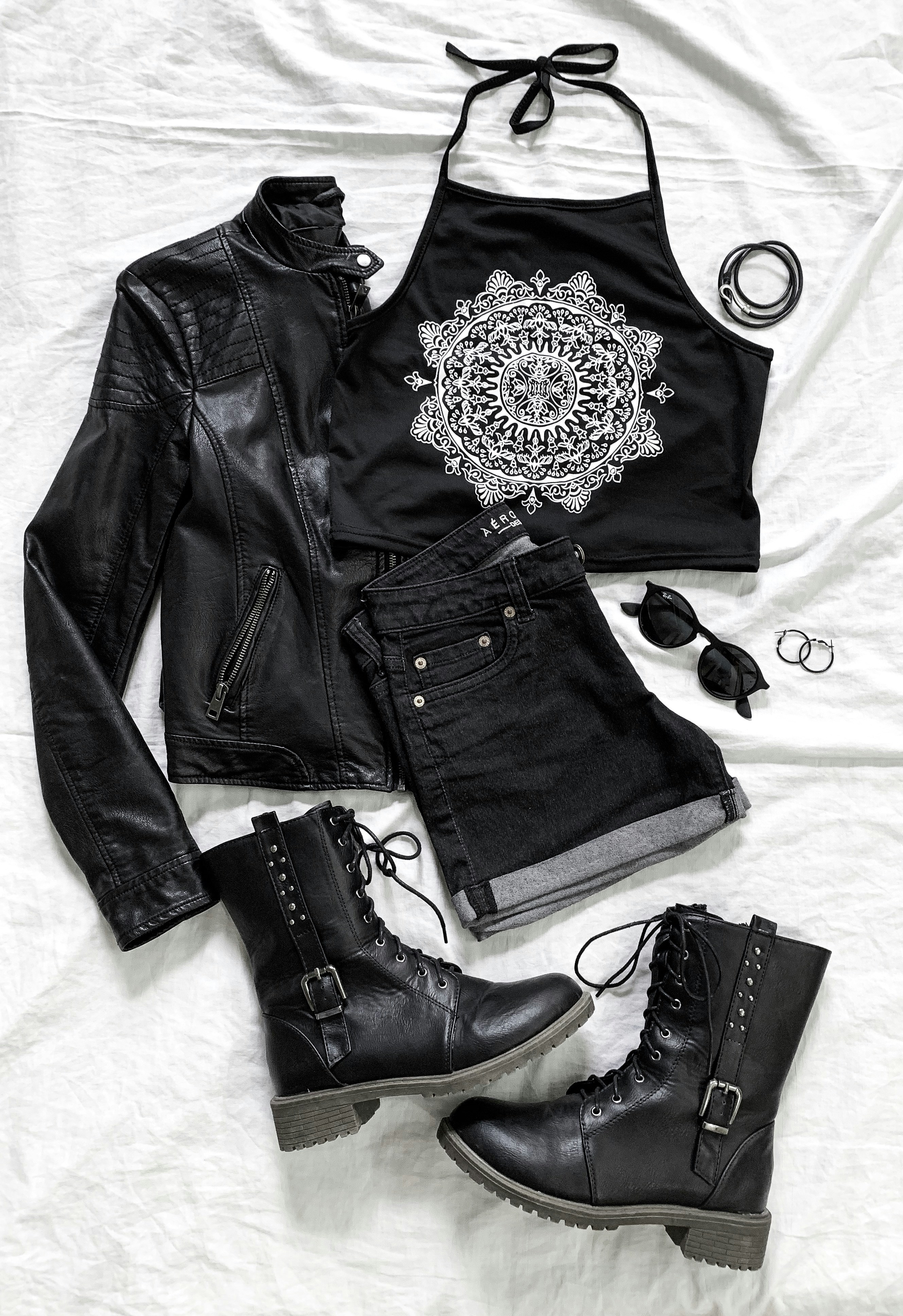
Cardigans and lightweight jackets are indispensable for creating a dynamic layered outfit. A cardigan, for instance, can provide warmth while maintaining breathability, making it a suitable choice for transitional weather. Opt for cardigans made from soft fabrics such as cotton or merino wool to ensure comfort. Likewise, a well-tailored jacket can instantly elevate a simple ensemble, making it suitable for professional settings or evenings out. When choosing jackets, consider different fabrics such as denim for a casual feel or leather for a more edgy style.
Mastering Layering Techniques and Styles
Layering is an art form that, when executed correctly, can elevate any woman’s style. By understanding various layering techniques, one can create chic looks that cater to various occasions and settings. The classic approach to layering typically involves a balance of fundamental pieces that work harmoniously together. A fitted turtleneck layered under a tailored blazer, paired with high-waisted trousers, exemplifies this timeless style. This method is particularly suitable for office environments where professionalism meets fashion.
For a more relaxed and sporty look, consider oversized t-shirts or hoodies layered over fitted leggings or joggers. This style not only provides comfort but also allows for creativity through the mixing of textures and patterns. Playful stripes combined with florals can produce an intriguing outfit that still feels casual yet stylish. Mixing materials, like denim and cotton, can yield an added dimension to any look.
To master the art of layering, one must also pay attention to color combinations. Neutral shades offer versatility and are excellent foundational pieces, while vibrant hues or patterns should act as accent layers. Incorporating different lengths can create visual interest—such as a longer outer layer over a shorter inner layer. By thoughtfully combining these techniques, any wardrobe can be transformed into a collection of chic layers, adaptable to various settings and occasions.
Common Layering Mistakes and How to Avoid Them
Layering can elevate a woman’s outfit, adding depth and personality, but common mistakes can detract from an otherwise stylish look. One prevalent error is over-layering. While the intention may be to create a dynamic appearance, too many layers can lead to bulk and unflattering proportions. To prevent this pitfall, aim for a max of three layers. Each piece should serve a purpose, working harmoniously together to create a balanced look.
Another frequent mistake involves mismatching colors and patterns. Wearing too many clashing colors can overwhelm the eye and create a chaotic look. Opt for a cohesive color palette that incorporates complementary shades and textures. Neutral tones can serve as a base, allowing vibrant colors or patterns to shine as accents without clashing. The key is to maintain a cohesive aesthetic that feels intentional.
Choosing the right fabrics also plays a pivotal role in successful layering. Heavy or bulky materials can add unnecessary weight, whereas lightweight fabrics can create elegance without sacrificing warmth. Consider using breathable materials that allow for flexibility and comfort. This is particularly important in transitional seasons when temperatures fluctuate.
By being mindful of these common errors, women can master the art of layering, creating chic looks that are both stylish and comfortable.